




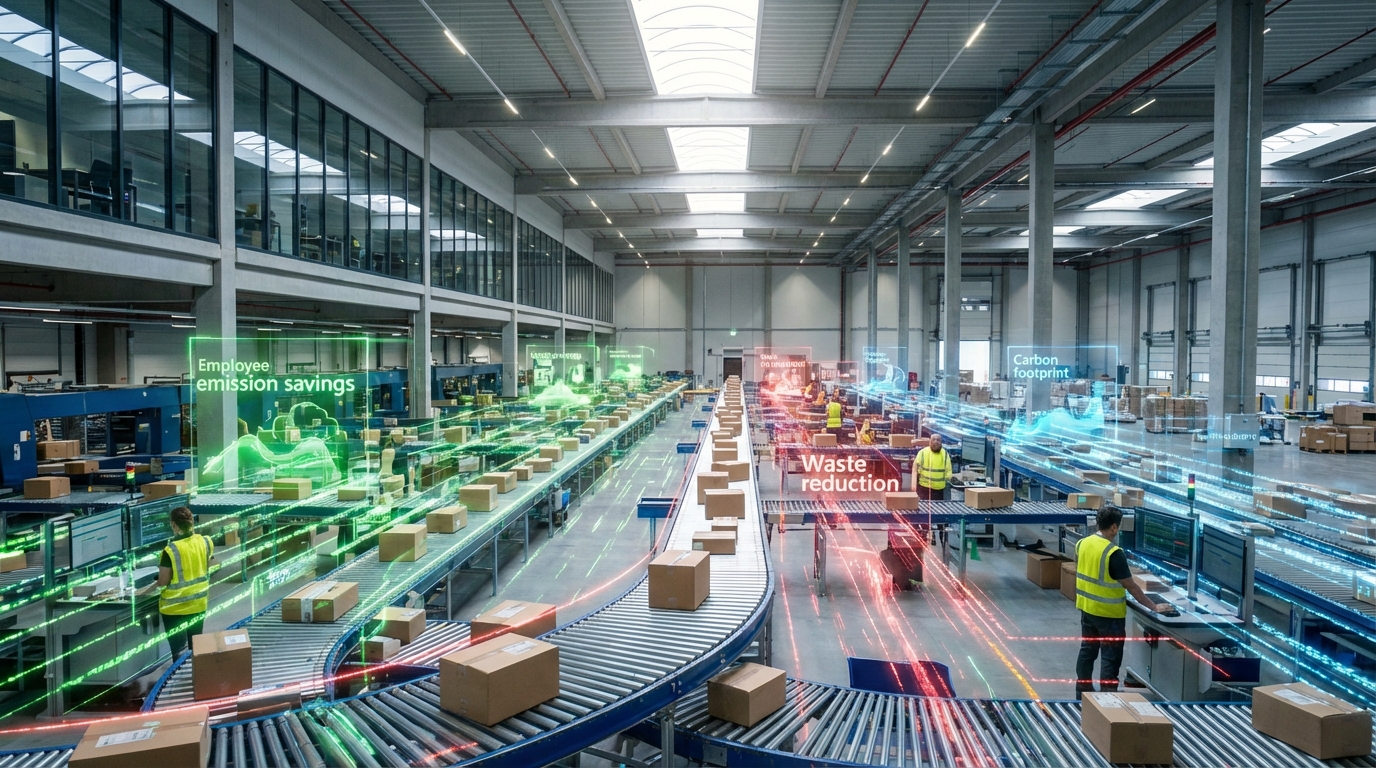
Artificial intelligence is rapidly shifting from an experimental add-on to the operating system of global supply chains. By linking real-time operational data with regulatory texts, AI now helps companies detect waste, cut emissions and stay compliant far faster than humans alone can manage.
This article shows how both traditional and generative AI map waste and regulatory risk across multi-tier networks, offers concrete examples such as AlgoREP for French EPR rules, and outlines a roadmap toward integrated platforms that unify environmental performance, risk and compliance.
Reading time: ~9 min
1. Why sustainable supply chain AI needs a new map for waste and compliance
2. How AI maps waste across complex supply chains
3. Generative AI as the new engine for compliance mapping
4. Generative AI and REP compliance: a concrete example with AlgoREP
5. Toward integrated AI platforms for waste, risk and compliance
6. Roadmap to activate sustainable supply chain AI in your organization
Legacy sustainability and compliance processes were built for slower, simpler value chains. Sampling data once a year and surveying suppliers occasionally no longer works when conditions and regulations shift weekly.
You now face:
• Multi-tier networks where one product may involve dozens of suppliers and sub-suppliers
• Dynamic events such as congestion, extreme weather or geopolitical shocks that change risk and emissions daily
• Rapidly expanding rules from climate disclosure to human-rights and extended producer responsibility that demand auditable, granular data
AI provides a living map of this reality by ingesting streams from operations, logistics, procurement, IoT devices and external sources. It not only calculates metrics but proposes alternative routes, sourcing options or product designs and simulates their cost, resilience and environmental impact—shifting the focus from after-the-fact reporting to real-time steering.

AI engines analyse telematics, TMS, WMS, ERP and sensor feeds against demand forecasts and production plans. They predict over- or under-stock situations, recommend order adjustments, optimise routes for fuel cuts of 5–10 % and flag patterns such as repeated partial loads so planners can consolidate or reset reorder points—turning hindsight into foresight within hours instead of quarters.
By linking factory, warehouse and product-in-use sensors, AI detects equipment running outside optimal parameters, correlates scrap with process settings to target high-impact fixes, and follows products through maintenance or returns to refine durability and recyclability models. Companies move from industry averages to product-specific, continuously updated life-cycle analyses that inform design decisions.
Combining geolocation, disclosures, shipment records, energy statistics and even satellite data, AI infers probable processes and energy mixes for sub-suppliers. It then allocates carbon and waste to individual bill-of-materials items—for example flagging components made in coal-heavy regions—so Scope 3 hotspots once invisible now surface for action.
Generative models ingest texts such as ISO norms, GDPR, the EU AI Act, REACH or new deforestation laws, map each clause to internal policies and contracts, highlight overlaps, surface conflicts and produce visual gap analyses in days rather than months.
Models combine certifications, audit reports, remediation plans, geospatial risk indicators plus news and social-media signals to rank suppliers. Procurement teams can then prioritise audits and document due diligence, with ratings already integrated into mainstream workflows.
When laws change or new products launch, the model re-runs mappings automatically, flags fresh gaps and assembles evidence from ERP, quality or transport systems for regulators. Organisations that shift from static spreadsheets to AI-assisted monitoring report sharp drops in non-compliance risk.
France’s AGEC law forces producers to calculate and declare eco-contributions across streams such as packaging, textiles, EEE, furniture and batteries, each with its own evolving rules. Manual classification and declaration are error-prone and time-consuming.
AlgoREP automates the workload by matching product data (barcodes, sheets) to the relevant streams, applying the latest fee tables in real time, preparing declarations and integrating with ERP or e-commerce platforms via API. The model must understand legislative text, fee schedules and product descriptions, then output auditable results—essential when eco-contributions already total several billion euros annually and more streams keep appearing.

The outcome: producers and retailers focus on better products and supplier collaboration while the system ensures every unit sold is correctly classified, priced and declared.
The future lies in unified platforms rather than isolated optimisation or compliance tools. They will:
Blend internal operations data with external feeds on regulation, climate and markets via flexible mapping
Optimise routing and delivery while respecting low-emission zones and other constraints
Provide multi-tier traceability linking batches to supplier sites, transport legs and end-of-life pathways
Offer scenario analysis to test sourcing, logistics or design changes against cost, service, emissions and compliance
Agent-based AI layers will orchestrate specialised models: one watches weather disruptions, another scans new laws, a third adjusts weekly procurement plans—keeping supply chains efficient, resilient and compliant.

Select the most pressing problem—Scope 3 emissions, logistics waste, or product compliance—to focus data collection and change management.
Begin with procurement and transport records plus key product attributes; add IoT and supplier disclosures later.
Run contained pilots, compare AI recommendations with expert judgement and refine thresholds collaboratively.
Connect mature models to existing GRC platforms so insights feed directly into risk registers, action plans and audits.
Once data structures stabilise, extend to new markets—e.g., adapting a French REP architecture for other EU countries with moderate extra effort.
Ultimately, sustainable supply chain AI is about trust: that emissions reflect reality, suppliers meet standards and products comply with evolving rules. Platforms such as AlgoREP and CompliancR demonstrate how combining operational analytics with generative AI builds this trust at scale, turning complex, volatile supply chains into agile systems that cut waste, protect margins and satisfy regulators and customers alike.

